What is Cartonization?
The big word you can't find in the dictionary.
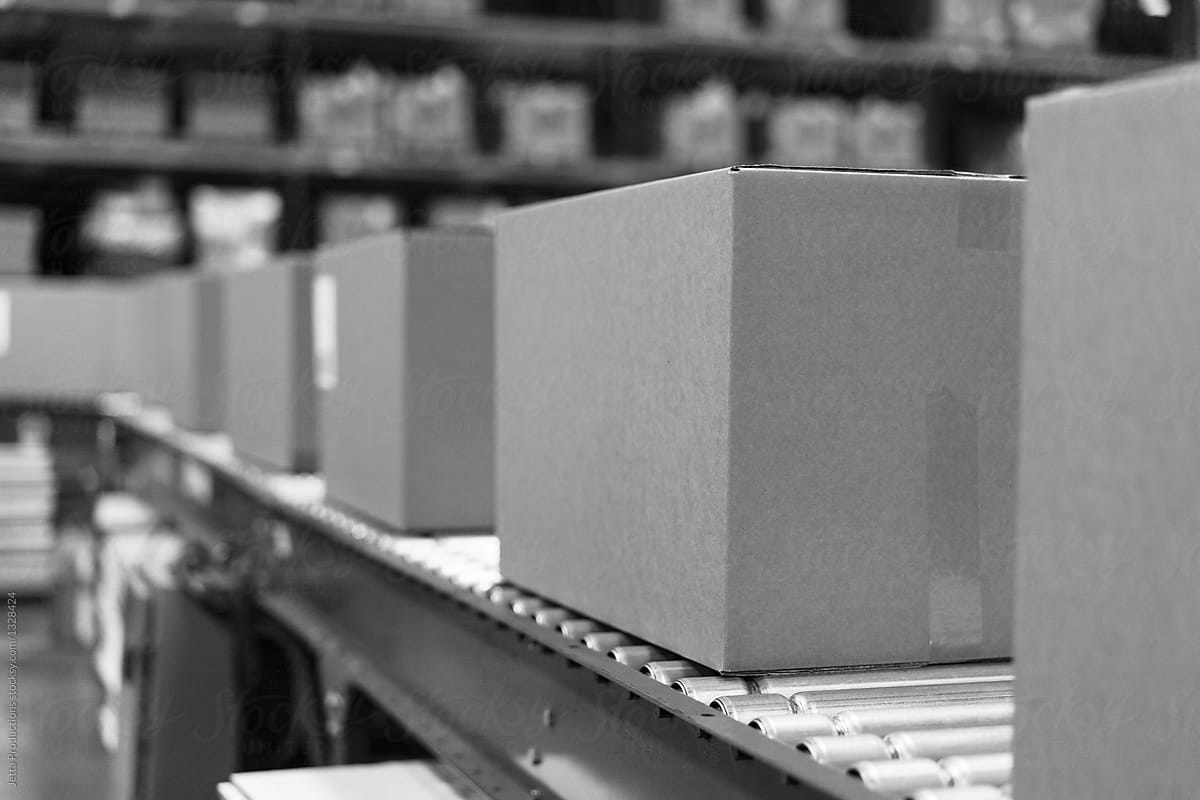
Taming the Packing Process
Cartonization refers to a step somewhere in an order lifecycle where the correct box configuration is determined for optimal shipping. It's a piece of the supply chain puzzle that's becoming more and more critical as ecommerce explodes and parcel carriers struggle with capacity. Typically three things are required to implement cartonization:
- Item Dimensions
- Box Dimensions
- Item/Business Rules & Constraints
Adding any kind of automated cartonization to your fulfillment process can have dramatic effects on your bottom line, but you may find that not all solutions are created equal.
Different Breeds of Cartonization
Rule of Thumb
The most basic form of packing control relies on explicit rules for what item can go in which box. For example, "All cell phone batteries must go in Box 2, except for X condition." This approach may manifest as a rules engine that outputs instructions or at it's most crude, a literal post-it note on the warehouse wall. Rule of Thumb Cartonization is the least scalable and maintainable approach.
Modern packing considerations, as well as widely available technology, have rendered this approach outdated.
Volumetric Comparison
Now we're getting mathematical. Sort of. This is the type of cartonization baked into most WMS systems. Here's how it works: Software takes the total cubic volume of all items in a shipment, and then selects the smallest box that has a higher packable cubic volume. Unfortunately, while this approach is elegant and intuitive, it can require frequent intervention. For example, a 4 foot shovel may have a lower total volume than a box, but that doesn't mean it will actually fit.
It's also not ideal for identifying when it might be cheaper to split the shipment into two smaller boxes.
 3D Simulation
The only way to consistently automate packing decisions is to leverage a system that understands how items fit into cartons in the real world. That means a simulation of collisions and weight considerations, at least in some form. This method requires the least amount of intervention and can handle new SKUs and boxes without reconfiguration. And that 4 foot shovel won't be poking holes in any boxes.
Full simulation is a cornerstone of how Paccurate works.
Optimizing for cost
Although implementing 3d cartonization in your fulfillment process can yield more savings than more simplistic methods, we can go much further. The academic approach to "the bin packing problem," as found in MIT thesis papers, is geared toward packing the most items into a single box. This goal is useful, but not quite right for production shipping, where external factors affect what makes a packing solution cost-optimal. Material, labor, negotiated carrier rates and fees all have an impact on packing optimization.
Learn about how Paccurate accounts for these costs , or go down the rabbit hole of cost-optimal cartonization in our white paper.